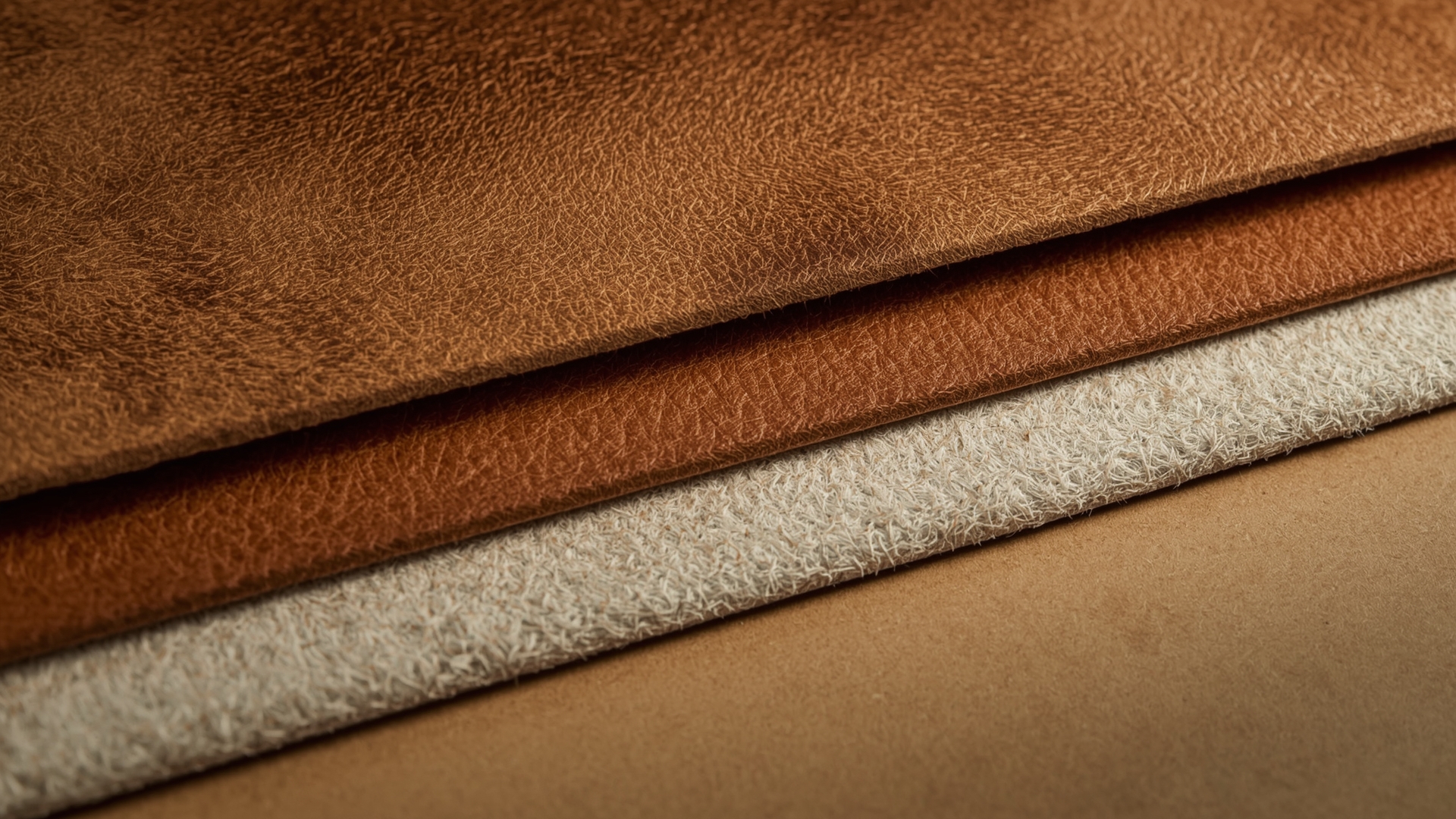
Not all leather furniture is created equal. Two sofas can both be labeled “genuine leather” yet have almost nothing in common in terms of durability, feel, or long-term value. The difference comes down to which part of the hide was used, how it was processed, and how much of the original leather fiber remains intact.
Understanding leather grades helps you avoid overpaying for a low-quality product, recognize when a deal is too good to be true, and choose the right material for your home and lifestyle.
Key Takeaways
- Full-grain leather is the highest quality grade. It uses the entire hide surface and develops a rich patina over time.
- Top-grain leather is sanded and coated for a uniform look. It’s more affordable but less breathable and less likely to patina.
- Bonded leather contains as little as 10% real leather. It peels and flakes within a few years and is not a long-term investment.
- Bicast leather is split leather with a polyurethane layer bonded on top. It looks shiny and uniform but cracks faster than top-grain.
- Nubuck and suede are real leather but require more maintenance than smooth finishes.
- Price, patina potential, and breathability are the three most reliable ways to compare leather grades at the store.
What Are the Main Types of Leather Used in Furniture?
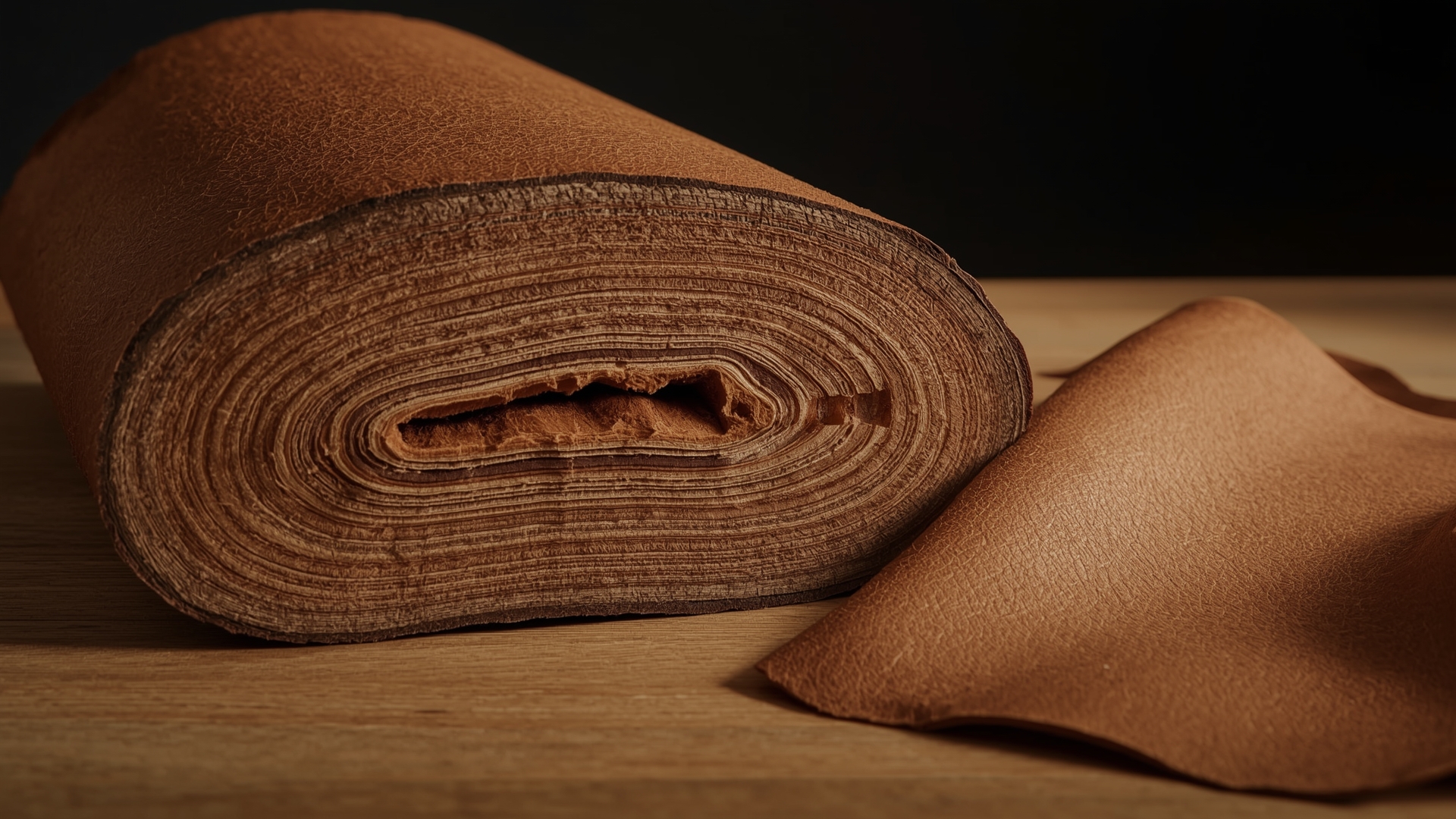
Quick Answer: The main types are full-grain, top-grain, split (suede), bicast, and bonded leather. Full-grain is highest quality, bonded is lowest. Each type uses a different layer of the hide and goes through different processing steps.
A cowhide has multiple layers. The outermost layer, called the grain, is the tightest and most durable part. As you move deeper into the hide, the fiber structure becomes looser and weaker. Leather grades are essentially a map of where in that hide the material came from.
Here’s how the layers break down:
- Grain layer (top): Tight fiber structure, high durability, breathable
- Junction layer (middle): Transition zone, used for some splits
- Corium/split layer (bottom): Loose fibers, weaker, used for suede and bonded leather
Furniture manufacturers use all of these layers, but they don’t always advertise which one they’ve used. That’s why knowing the terminology matters.
What Is Full-Grain Leather and Why Is It the Best?
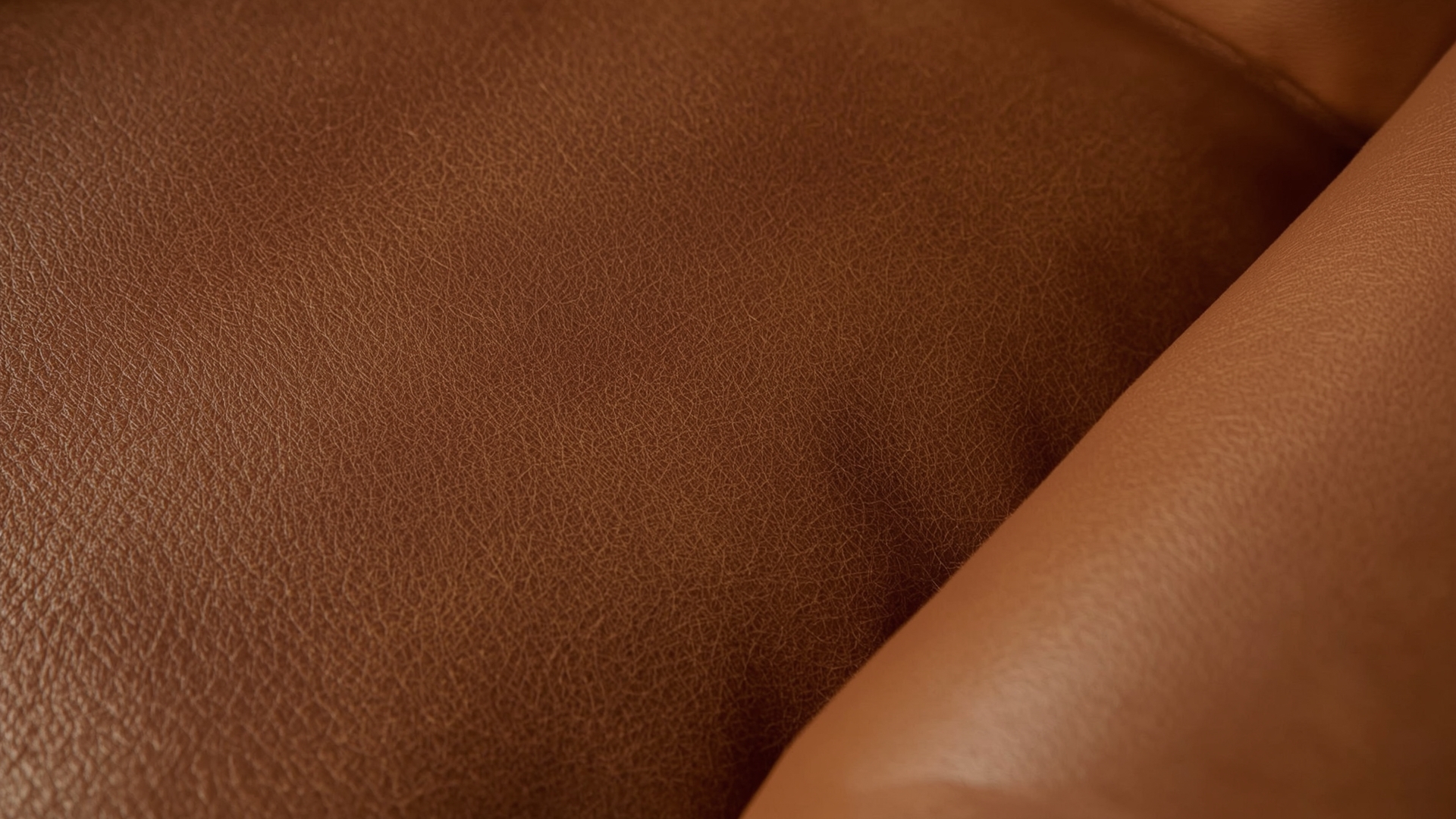
Quick Answer: Full-grain leather uses the complete outer surface of the hide with no sanding or buffing. It’s the most durable leather grade, breathes naturally, and develops a patina over years of use. Expect to pay $3,000 to $8,000+ for a full-grain sofa.
Full-grain leather keeps the hide’s entire natural surface intact. That includes the natural markings, pores, and texture variations that make each piece unique. Manufacturers don’t sand or buff the surface, which means the tight grain structure stays fully intact.
What Does Full-Grain Leather Feel Like?
Full-grain leather feels soft, slightly textured, and warm to the touch. It’s breathable, meaning it won’t feel sticky or clammy during extended sitting. Over time, the surface absorbs body oils and light, which creates a patina — a deepening of color and sheen that makes the piece look better with age, not worse.
Think of it like a good pair of leather boots. They start stiff and plain but become uniquely yours after a year of wear. Full-grain furniture works the same way.
What Are the Downsides of Full-Grain Leather?
Full-grain leather is expensive. A quality full-grain sofa typically starts around $3,000 and can exceed $8,000 for high-end brands. It also shows scratches more easily than treated leathers, though those scratches often blend into the patina over time.
It’s not the best choice for homes with young children or pets that may scratch the surface frequently. The natural markings some buyers see as character, others see as imperfections.
| Attribute | Value |
|---|---|
| Hide Layer Used | Outermost grain layer, unsanded |
| Durability | 20–40+ years with proper care |
| Price Range (Sofa) | $3,000–$8,000+ |
| Patina Development | Yes, develops over 2–5 years |
| Breathability | High — open pore structure |
| Scratch Visibility | Visible initially, often blends over time |
| Surface Treatment | Minimal — light aniline or semi-aniline dye only |
How Is Top-Grain Leather Different from Full-Grain?
Quick Answer: Top-grain leather comes from the same outer hide layer as full-grain, but the surface is sanded and coated with a pigment finish. This removes natural marks and creates a uniform look. It’s more stain-resistant but less breathable and won’t develop a patina.
Top-grain is the most common leather used in mid-range furniture, typically priced between $1,200 and $3,500 for a sofa. The sanding process removes the natural grain surface, and a polymer or pigment coating gets applied on top to create a consistent appearance.
Is Top-Grain Leather Good Quality?
Yes, top-grain is genuine, quality leather — just processed differently. The coating makes it more resistant to stains and spills. That makes it a practical choice for busy households. It’s easier to wipe clean than full-grain aniline leather.
The trade-off is breathability. The coating partially seals the pores, so top-grain leather can feel warmer and slightly stickier during extended use compared to full-grain. It also won’t develop the same patina over time because the natural surface has been removed.
What Finishes Are Applied to Top-Grain Leather?
Most top-grain leather receives a pigmented finish. Some higher-end versions use a semi-aniline finish, which adds pigment but leaves a thin layer, preserving some natural texture. Protected (fully pigmented) top-grain is the most durable and stain-resistant finish but feels the most plastic-like.
| Attribute | Full-Grain | Top-Grain |
|---|---|---|
| Surface Treatment | None or aniline dye only | Sanded + pigment coating |
| Price (Sofa) | $3,000–$8,000+ | $1,200–$3,500 |
| Patina Development | Yes | No |
| Stain Resistance | Low (aniline) to Medium (semi-aniline) | Medium to High |
| Breathability | High | Medium |
| Natural Markings | Visible | Removed |
| Lifespan | 20–40+ years | 10–20 years |
What Is Bonded Leather and Should You Avoid It?
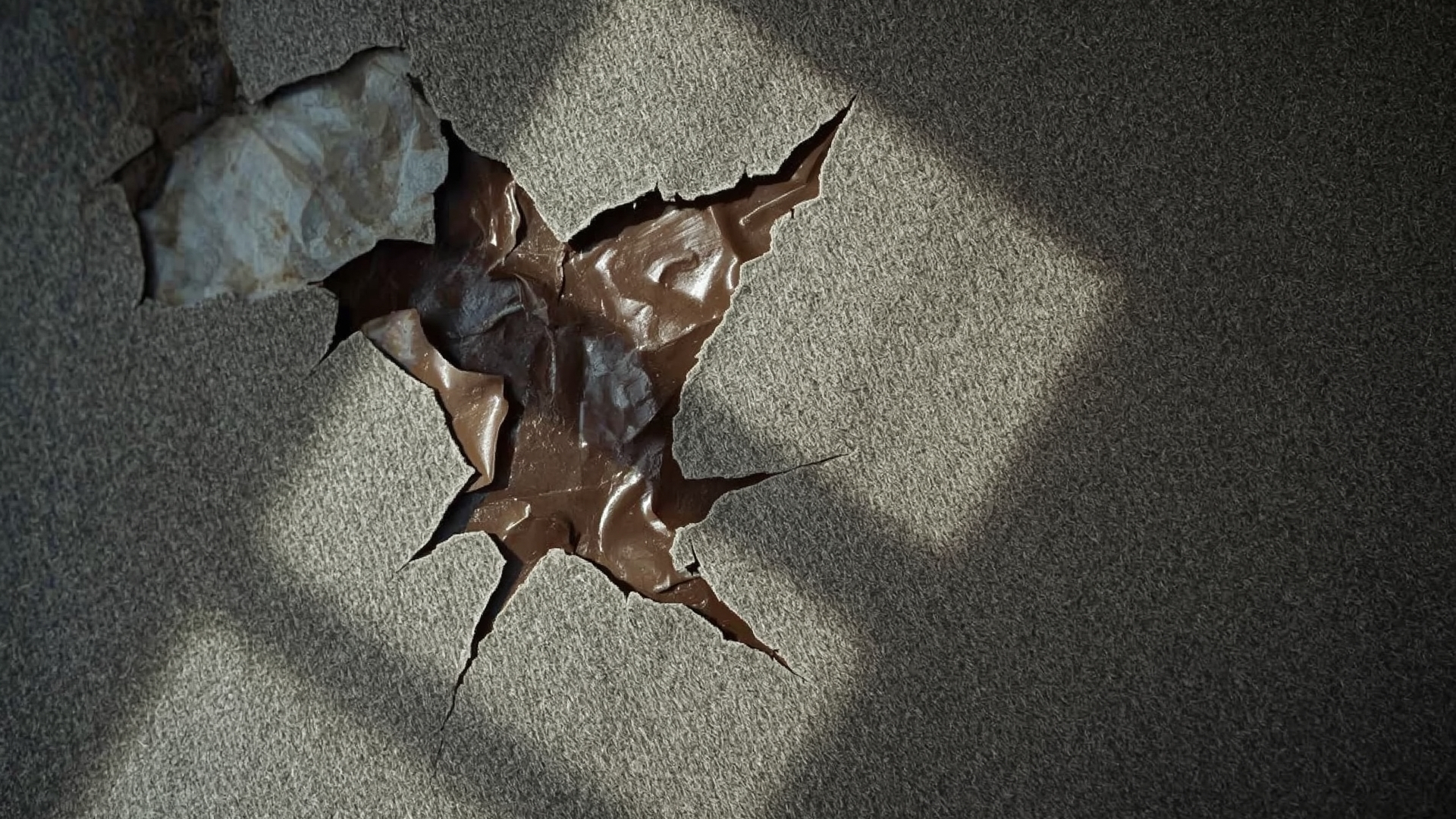
Quick Answer: Bonded leather is made from shredded leather scraps mixed with polyurethane or latex, then pressed onto a fiber backing. It contains only 10–20% real leather. Most bonded leather peels and flakes within 3–5 years, making it a poor long-term investment.
Bonded leather is the lowest grade on the leather spectrum. Manufacturers take the leftover scraps from genuine leather production, grind them into fibers, mix them with a polyurethane binder, and press the mixture onto a fabric backing. The surface gets embossed to look like real leather grain.
Why Does Bonded Leather Peel?
The polyurethane surface layer separates from the fiber backing over time. Heat, sunlight, and regular friction all accelerate this process. Once peeling starts, it can’t be repaired. The entire surface deteriorates in patches, and there’s no restoration option short of full reupholstery.
Bonded leather sofas typically start peeling within two to five years of regular use. In high-traffic households, failure can happen even faster.
How Do You Spot Bonded Leather in a Store?
Look at the back of the material. Real leather shows a fibrous, suede-like backing. Bonded leather shows a smooth, woven fabric backing. Bonded leather also has a perfectly uniform grain pattern — real hides always have slight variations. The price is another clear signal. A “leather” sofa priced under $700 is almost certainly bonded.
What Is Bicast Leather and How Does It Compare?
Quick Answer: Bicast leather is split leather (the lower hide layer) with a polyurethane coating bonded on top. It looks shiny and uniform, costs $800–$1,800 for a sofa, and lasts 5–8 years before cracking. It’s better than bonded but far below full-grain or top-grain quality.
Bicast leather (also called bycast leather) starts with split leather — the lower portion of the hide that gets separated from the grain layer during processing. Split leather on its own has a rough, unfinished surface. Manufacturers bond a polyurethane film on top to create a smooth, shiny appearance.
What Are the Main Problems with Bicast Leather?
The polyurethane top layer cracks over time, especially in areas that flex repeatedly — seat edges, arm corners, and cushion folds. Unlike full-grain scratches that blend in with use, bicast cracks look sharp and don’t heal.
Bicast leather also has low breathability because the polyurethane layer seals the surface completely. It can feel warm and slightly sticky after extended sitting.
| Leather Type | Real Leather Content | Sofa Price Range | Expected Lifespan | Patina | Peels/Cracks? |
|---|---|---|---|---|---|
| Full-Grain | 100% (unsanded grain) | $3,000–$8,000+ | 20–40+ years | Yes | No |
| Top-Grain | 100% (sanded grain) | $1,200–$3,500 | 10–20 years | No | No |
| Bicast | ~50–70% (split layer) | $800–$1,800 | 5–8 years | No | Yes (cracks) |
| Bonded | 10–20% (scraps) | $400–$900 | 2–5 years | No | Yes (peels) |
| Split/Suede | 100% (lower hide layer) | $900–$2,500 | 8–15 years | No | No |
What Is Nubuck Leather and Is It Good for Furniture?
Quick Answer: Nubuck is full-grain or top-grain leather buffed on the outer surface to create a soft, velvety texture. It’s durable leather but absorbs stains easily and requires regular protective treatment. It’s best for low-traffic rooms or adult-only households.
Nubuck is often confused with suede, but they come from different parts of the hide. Nubuck is buffed on the grain (outer) side of the hide. Suede is buffed on the split (inner) side. Nubuck is generally more durable than suede because it uses the tighter grain layer.
How Do You Maintain Nubuck and Suede Furniture?
Both nubuck and suede require a leather protector spray applied every 6–12 months to resist moisture and stains. Clean them with a soft brush or a specialized nubuck eraser. Never use water directly on nubuck or suede — moisture leaves dark marks that are difficult to remove.
For high-traffic sofas, a smooth top-grain or protected full-grain leather will be more practical than nubuck or suede.
What Do Aniline, Semi-Aniline, and Pigmented Mean on Leather Labels?
Quick Answer: These terms describe the dyeing and finishing process. Aniline uses transparent dye only, showing all natural markings. Semi-aniline adds a thin pigment layer. Pigmented leather has a full surface coating. More pigment means more stain resistance but less natural look and feel.
These finish types cut across leather grades. A full-grain hide can be finished as aniline, semi-aniline, or protected. The finish you choose affects how much maintenance the leather needs and how it looks day to day.
Aniline Leather: Natural but Vulnerable
Aniline leather uses only soluble dyes with no surface coating. The hide’s natural texture, pores, and markings are fully visible. It feels the softest and most natural of any finish. The downside is that it stains easily and shows wear faster. Aniline is best for formal rooms with careful use.
Semi-Aniline Leather: The Middle Ground
Semi-aniline adds a thin, lightly pigmented surface coating over the dye. This evens out the color slightly while keeping some natural texture visible. It’s more stain-resistant than pure aniline while still feeling natural. For most households, semi-aniline full-grain leather is the best balance of quality and practicality.
Pigmented (Protected) Leather: Most Durable Finish
Pigmented leather has a full polymer surface coating. The color is completely uniform, and the surface is easy to wipe clean. This finish is common on top-grain leather in family-friendly or commercial furniture. It’s the most stain-resistant option but feels the least natural.
| Finish Type | Surface Coating | Stain Resistance | Natural Feel | Patina Potential | Best Use Case |
|---|---|---|---|---|---|
| Aniline | None (dye only) | Low | Highest | Yes | Low-traffic, formal rooms |
| Semi-Aniline | Thin pigment layer | Medium | High | Partial | Most households |
| Pigmented/Protected | Full polymer coating | High | Low-Medium | No | Families, high-traffic areas |
| Nubuck (buffed grain) | None (textured surface) | Very Low | Very High | Partial | Low-traffic, adult rooms |
| Pull-Up (wax finish) | Wax/oil treatment | Low-Medium | High | Yes (strong) | Rustic, vintage styles |
What Does Patina Mean in Leather Furniture?
Quick Answer: Patina is the gradual deepening of color, sheen, and texture that develops on real leather over years of use. It happens when the hide absorbs body oils and light. Only aniline and semi-aniline full-grain leathers develop a true patina. Coated or bonded leathers do not.
Patina is one of the main reasons people invest in full-grain leather. A 20-year-old full-grain Chesterfield sofa looks richer and more interesting than it did when new. The areas most touched develop deeper color. The surface takes on a gentle sheen.
This process takes time. Most full-grain leather shows noticeable patina development within two to five years of regular use. Leathers with heavy surface coatings (pigmented top-grain, bicast, bonded) can’t absorb oils and light the same way, so they don’t patina.
How Can You Tell If Furniture Leather Is Real or Fake When Shopping?
Quick Answer: Check the back of the material for fibrous texture (real) vs. smooth fabric backing (fake). Look for natural grain variation instead of uniform embossed patterns. Real leather warms to the touch quickly. Bonded and bicast leather stay cooler and feel more plastic-like.
Here are the most reliable tests you can do at a furniture store without any tools:
The Back Test
Lift or look under a cushion where the material is tucked. Real leather shows a rough, fibrous back surface that looks like tightly matted fibers. Bonded leather shows a smooth woven backing, more like fabric or paper.
The Grain Test
Real leather grain patterns have slight variations from section to section. Manufactured grain (bonded or bicast) repeats in a perfectly uniform pattern. If every inch looks identical, you’re likely looking at a processed surface, not real hide.
The Temperature Test
Press your palm flat on the surface and hold it for five seconds. Real leather absorbs your body heat quickly and feels warm when you lift your hand. Heavily coated or synthetic surfaces feel more resistant to temperature change and may feel slightly plastic.
The Water Drop Test (If Allowed)
Place a small drop of water on an inconspicuous area. Aniline leather absorbs it almost immediately. Semi-aniline absorbs it slowly. Pigmented leather beads up. Bonded and bicast leather also beads up — but the key difference is the grain pattern and backing test, not the water test alone.
The Label Test
Look for these terms in product descriptions:
- “Full-grain leather” — best quality indicator
- “Top-grain leather” — good quality, more processed
- “Genuine leather” — legal term meaning any real leather; often indicates low-grade splits or bonded
- “Bonded leather” or “reconstituted leather” — scraps and binder
- “Leather match” or “bi-cast” — coated split leather, lower durability
Note: “Genuine leather” does NOT mean high quality. It’s a legal classification, not a grade. Any real leather content qualifies for the label, including bonded leather with only 10% leather fiber.
What Is the Best Type of Leather for a Family with Kids or Pets?
Quick Answer: Pigmented top-grain leather is the most practical choice for families. It resists spills and stains, wipes clean easily, and is durable enough to handle daily use. Full-grain aniline leather is too vulnerable to stains. Bonded leather will peel within a few years under heavy use.
The coating on pigmented top-grain leather acts as a protective barrier. Light spills can be blotted and wiped without penetrating the surface. The smooth finish also resists pet hair adhesion better than textured or nubuck finishes.
If you want something closer to full-grain quality but with more protection, look for semi-aniline full-grain leather. Some brands offer it with a slightly heavier topcoat for families. It costs more than standard top-grain but holds up better long term and retains some natural feel.
How Does Leather Furniture Compare to Fabric by Durability and Cost?
Quick Answer: Full-grain leather outperforms most fabric over 20+ years. Top-grain leather is comparable to high-performance fabrics in the 10–20 year range. Bonded leather is among the least durable upholstery options available, often lasting less than low-cost fabric alternatives.
The comparison depends heavily on which leather grade and which fabric you’re comparing. High-performance fabrics like solution-dyed acrylic or tightly woven synthetic blends can match or exceed top-grain leather in stain resistance and lifespan.
Full-grain leather has one advantage almost no fabric can match: it improves aesthetically over time. Fabric fades, pills, and flattens. Full-grain leather deepens and develops character. For buyers who want a piece that becomes an heirloom, full-grain leather is the clear choice.
What Should You Budget for Real Leather Furniture?
Quick Answer: Budget $1,200–$3,500 for a quality top-grain leather sofa and $3,000–$8,000+ for full-grain. Anything labeled leather under $700 is almost certainly bonded or bicast. Mid-range $1,500–$2,500 sofas often use top-grain with pigmented finish.
Price is one of the most reliable indicators of leather grade. Manufacturers can’t produce full-grain leather furniture cheaply. The hide yield for blemish-free, unsanded grain is low. Labor, tanning, and finishing add cost. A price that seems too low for “real leather” almost always means bonded, bicast, or a very low-grade split.
That said, price alone doesn’t guarantee quality. Some brands charge premium prices for top-grain or even bicast. Always ask for the specific leather grade and finish type before purchasing.
Frequently Asked Questions
What does “leather match” mean on a sofa tag?
Leather match means the seating surfaces use real leather, but the sides, back, and non-contact areas use a polyurethane vinyl that mimics leather’s appearance. It reduces cost significantly. The vinyl sections are more prone to peeling over time than the leather sections.
Can bonded leather be repaired when it starts peeling?
No effective repair exists for peeling bonded leather. The polyurethane surface layer separates from the backing at a structural level. Leather repair kits may temporarily cover small areas, but peeling typically spreads quickly. Reupholstering with real leather is the only lasting solution.
Does full-grain leather crack?
Full-grain leather resists cracking when properly maintained. Leather conditioner, applied every 6–12 months, keeps the fibers hydrated and flexible. Cracking occurs when leather dries out severely, usually from prolonged sun exposure or no maintenance. Even neglected full-grain leather typically outlasts bonded or bicast options.
What is pull-up leather?
Pull-up leather is full-grain or top-grain leather treated with oils and waxes instead of pigment. When you scratch or stretch it, the wax moves and creates a lighter “pull-up” effect. It develops a strong patina over time and is common in rustic or vintage-style furniture. It’s real leather and high quality.
Is vegan leather a good alternative to real leather for furniture?
Vegan leather (typically polyurethane or PVC) is more affordable and avoids animal products. Current-generation PU vegan leather lasts 5–10 years under regular use. It doesn’t develop a patina, and most varieties are less breathable than real leather. It’s a reasonable choice for budget buyers or those avoiding animal materials.
What is the difference between corrected-grain and full-grain leather?
Corrected-grain leather is top-grain leather that has been more heavily sanded to remove surface imperfections, then embossed with an artificial grain pattern. It’s a specific subset of top-grain. Full-grain leather keeps the original surface untouched. Corrected-grain is more uniform but has less natural character and breathability.
