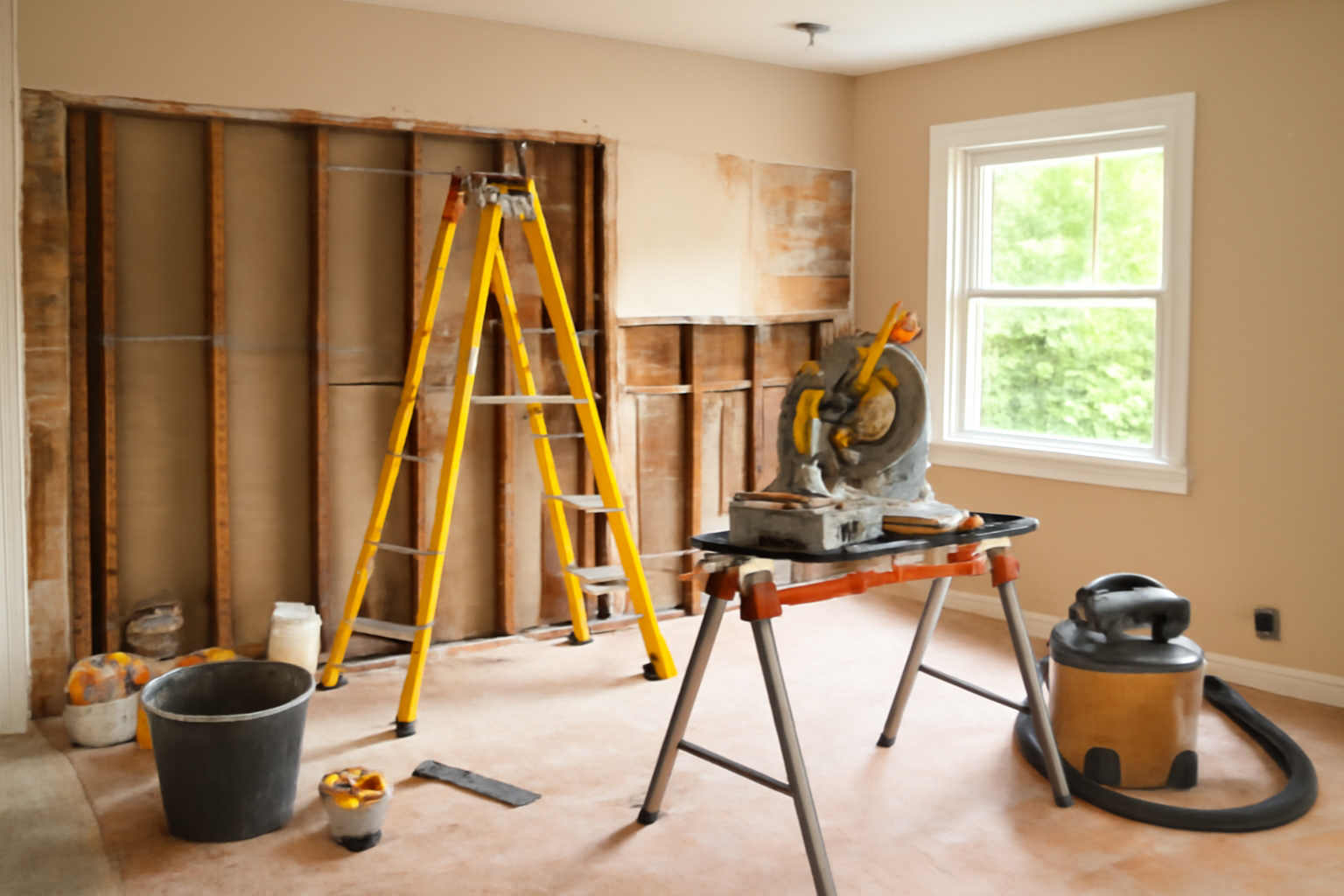
Starting a home renovation project is thrilling but can be costly. Home renovation loan offer a flexible way to fund your dreams. Maximus home store help you understand how these loans work and if they’re right for you.

Home renovation loans are a special type of financing. They let homeowners borrow money for home upgrades, repairs, or remodels. Unlike regular mortgages, these loans are made just for home improvement costs, like new kitchens or bathroom updates.
Learning about home renovation loans helps you choose the best financing for your project. Whether you want to boost your home’s value, make it more functional, or just make it cozier, a renovation loan could be what you need.
What is Home Renovation Loans Basics
Planning a kitchen remodel or adding a home office? The right financing can make a big difference. Home renovation loans offer a flexible way to fund your projects. They provide the resources to transform your space. Let’s explore the basics of these powerful loan options.
Types of Renovation Financing Available
The world of home improvement financing is diverse. It offers a range of options to meet your needs. Some popular choices include:
- FHA 203(k) Loans: Government-backed loans for both home purchase and renovation in one mortgage.
- Conventional Renovation Loans: Private lenders offer these for home improvements, usable with purchase or refinance.
- Home Equity Lines of Credit (HELOCs): Use your home’s equity for renovation projects, often at lower rates.
Key Benefits of Renovation Loans
Renovation loans come with many advantages. They’re a great choice for homeowners wanting to finance their dreams. Key benefits include:
- Increased Home Value: Strategic renovations can significantly boost your property’s value, creating equity and future resale opportunities.
- Improved Living Conditions: These loans allow you to transform your home, meeting your needs and lifestyle better.
- Flexible Financing: Programs offer flexible terms, competitive rates, and funds for your project.
Who Should Consider a Renovation Loan
Renovation loans are suitable for many homeowners. They’re ideal for those wanting to:
- Upgrade an older home with modern amenities
- Add square footage or reconfigure existing spaces
- Make energy-efficient improvements to reduce utility costs
- Tackle major repairs or maintenance issues
- Prepare a property for sale by improving its condition and appeal
Understanding home renovation loans can unlock your home’s potential. Whether upgrading, expanding, or maintaining, these options can help. They provide the tools to bring your renovation dreams to life.
How to Qualify for a Home Renovation Loan
To get a home renovation loan, you need to meet certain criteria. Knowing these requirements is key for homeowners wanting to fund their home improvements. Let’s look at the main things lenders check when deciding if you qualify.
Credit Score Requirements
Your credit score is a big deal for lenders. They usually want a score of 620 or higher to approve your loan. Your credit history shows how reliable you are as a borrower.
Home Equity Considerations
The equity in your home matters a lot too. Lenders often want at least 20% equity to approve a renovation loan. This equity acts as collateral and shows you’re financially stable.
Income Verification and Debt-to-Income Ratio
Lenders also check your income and debts to see if you can pay back the loan. They look at your debt-to-income ratio. This ratio compares your monthly debt to your income. A lower ratio is better for getting approved.
Knowing what lenders look for can help homeowners get ready for the loan application. It can also boost their chances of getting the funds needed for their home improvements.

Popular Home Renovation Loan Programs
There are many loan programs for home renovations. You can choose from government-backed options or conventional financing. The best choice depends on your needs and financial situation.
FHA 203(k) Rehabilitation Loans
The FHA 203(k) loan is great for buying and renovating a home. It also works for current homeowners who need improvements. This loan finances renovations and the home’s purchase or refinance.
FHA 203(k) loans are insured by the Federal Housing Administration. This makes them easier to get for those with lower credit scores or small down payments.
Fannie Mae HomeStyle Renovation Mortgage
The Fannie Mae HomeStyle Renovation Mortgage is a conventional loan. It lets homebuyers or homeowners finance home purchases and renovations. This program is more flexible than FHA 203(k), allowing for more renovation projects and higher loan amounts.
HomeStyle renovation loans are a good choice for those who can’t get government-backed financing.
Home Equity Lines of Credit (HELOCs)
A Home Equity Line of Credit (HELOC) is another popular option. It lets homeowners use their property’s equity for renovations. This loan is flexible, with a revolving line of credit for ongoing projects.
Calculating Renovation Loan Costs and Terms
When you think about a home renovation loan, knowing the costs and terms is key. The interest rates can change, usually between 4% and 8%. This depends on your credit score, how much you owe compared to the home’s value, and the lender’s rules. Knowing the interest rate is important because it affects your monthly payments and the loan’s total cost.
The time it takes to pay back a renovation loan can vary, from 10 to 30 years. Longer terms mean lower monthly payments but more interest paid over time. Closing costs for a renovation loan can be 2% to 5% of the loan amount. These costs cover things like appraisals, origination, and other administrative fees.
Another key factor is the loan-to-value (LTV) ratio. This compares the loan amount to the home’s appraised value. Lenders usually want an LTV of 80% or less for renovation loans. This means you need at least 20% equity in your home. A higher LTV might mean higher interest rates or needing private mortgage insurance (PMI).
Understanding the costs and terms of a renovation loan helps you make a smart choice. You can pick the financing that fits your needs and budget best.
Application Process for Home Renovation Loans
Starting a home renovation project is exciting. But getting the right financing is the first big step. The process for a home renovation loan has several important parts. Homeowners need to know these to have a smooth and successful experience.
Required Documentation
To get a renovation loan, you’ll need to provide several documents. These include:
- Detailed renovation plans and cost estimates
- Proof of homeownership (such as a deed or title)
- Financial statements, including income, assets, and credit history
- Contractor information and license details (if applicable)
Timeline Expectations
The time it takes to get a renovation loan approved can vary. It usually takes 4 to 8 weeks. To avoid delays, homeowners should provide all needed documents quickly.
Working with Contractors
When applying for a renovation loan, you might need to work with licensed contractors. This ensures the work meets the lender’s standards and local codes. Homeowners should choose contractors who can provide detailed work and cost estimates.
Understanding the renovation loan application process helps homeowners prepare well. This can lead to a successful financing experience. It also helps achieve home renovation goals and increase property value.
Common Uses for Home Renovation Loans
Home renovation loans offer a flexible way to fund various home improvement projects. They can cover everything from necessary repairs to adding luxury features. Whether you dream of a new kitchen, updated bathrooms, or energy-saving upgrades, these loans can help make it happen.
Kitchen remodels are a top choice for using home renovation loans. New appliances, cabinets, and countertops can make your kitchen more functional and valuable. Bathroom upgrades, like new fixtures and tiles, can also give your home a fresh, modern look.
Another great use is for energy-efficient renovations. Upgrading insulation, windows, or installing solar panels can save you money on bills and help the environment. A home renovation loan can turn your home into a more efficient, eco-friendly space.
