When you shop for a sofa, chair, or any upholstered furniture, the tag might say “25,000 double rubs” or “100,000 double rubs.” Those numbers look impressive, but most shoppers have no idea what they mean or whether they matter for their home.
Rub count is one of the most reliable durability indicators on any furniture spec sheet. It tells you exactly how much friction a fabric can handle before it starts to break down. Knowing how to read it helps you avoid buying a sofa that wears out in two years — and it helps you compare fabrics honestly when retailers use vague words like “durable” or “heavy-duty.”
Key Takeaways
- Double rub count measures fabric abrasion resistance — how many back-and-forth friction cycles a fabric survives before showing wear.
- Residential use starts at 15,000 double rubs, heavy residential needs 25,000+, and commercial use typically requires 50,000+.
- Two test standards exist: Wyzenbeek (used primarily in the U.S.) and Martindale (used primarily in Europe). They are not directly comparable.
- Higher rub count does not always mean better fabric. Fiber type, weave structure, and finish all affect how a fabric actually performs.
- Performance fabrics often combine high rub counts with stain resistance, making them practical for families with kids or pets.
- Always check the rub count alongside other specs — fabric weight, fiber content, and backing type fill in the full picture.
What Is Upholstery Rub Count and Why Does It Matter?
Quick Answer: Rub count measures how many times a fabric can be rubbed back and forth before it shows visible wear or damage. Higher numbers mean more durable fabric. It is the most standardized durability metric available on furniture spec sheets.
Fabric wears out through friction. Every time someone sits down, shifts position, or gets up from a sofa, the fabric rubs against itself, cushion covers, and the frame underneath. Over months and years, that friction adds up.
Rub count gives you a standardized number for how much friction a fabric can handle. It is not a perfect measure of overall quality, but it is the most consistent, testable durability indicator that furniture manufacturers and fabric mills use.
Without rub count, you are comparing fabrics by feel and appearance alone. A fabric can look and feel luxurious in the store and fall apart in a year. Rub count gives you an objective checkpoint.
How Is the Double Rub Test Actually Performed?
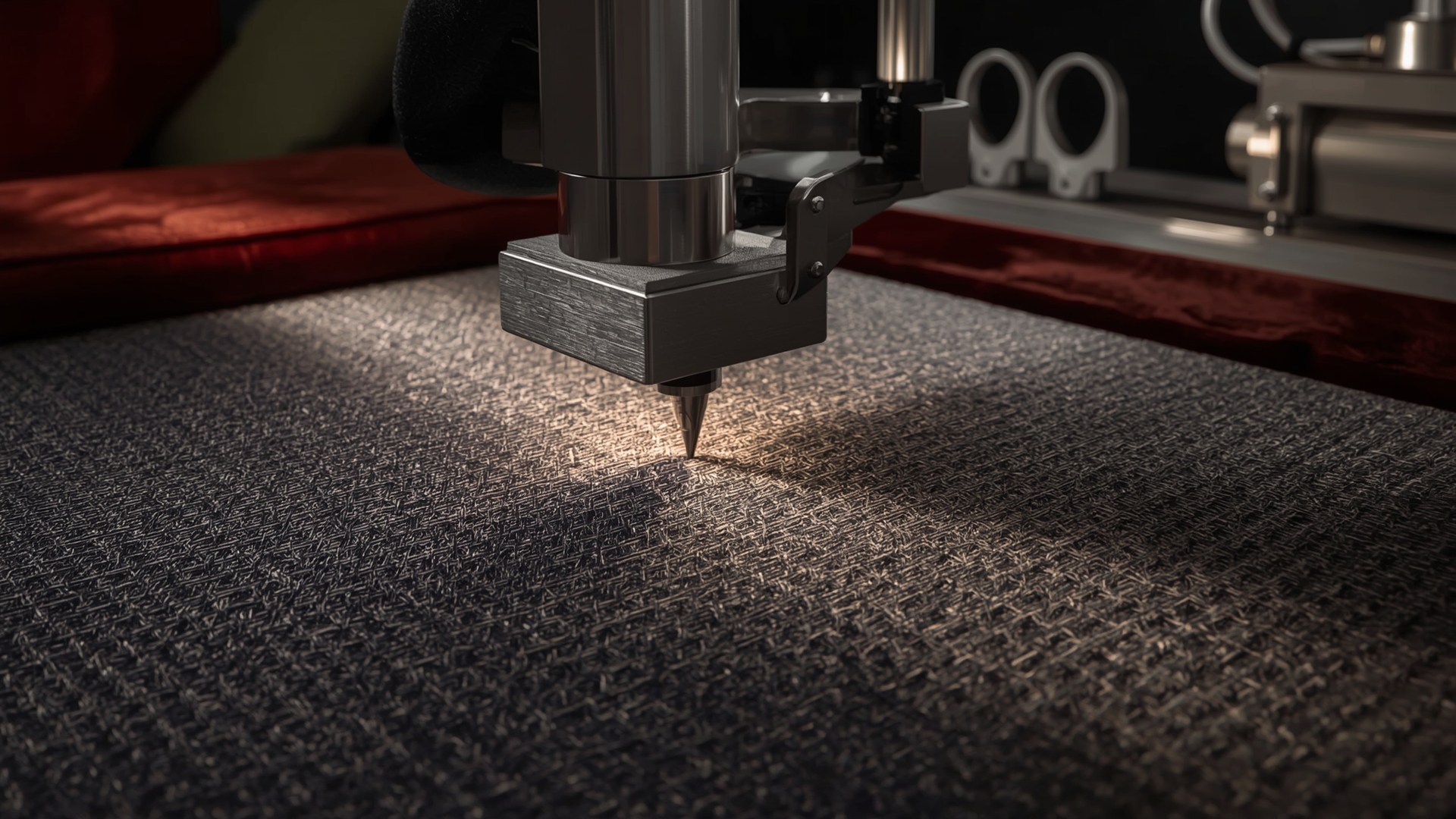
Quick Answer: A machine rubs a cotton duck cloth back and forth across the fabric surface in a figure-eight pattern. Each complete back-and-forth motion counts as one double rub. The test stops when the fabric breaks down, loses yarn, or shows visible wear.
The machine used in this test is called a Wyzenbeek machine in North America. A standardized abrasive cloth (usually cotton duck or wire screen) is mounted on a cylindrical arm. That arm moves in a figure-eight pattern over the fabric sample.
One complete cycle — one forward stroke and one back stroke — equals one double rub. The test runs until the fabric shows two broken yarns, noticeable pile distortion, or a visible hole. The number of cycles completed before that failure point is the rub count.
The process is controlled and repeatable. Every test uses the same pressure, the same abrasive material, and the same failure criteria. That consistency is what makes double rub counts comparable across different fabrics and manufacturers.
What Is the Martindale Test?
The Martindale test is the European equivalent of the Wyzenbeek test. Instead of a figure-eight machine, the Martindale test uses a circular rubbing motion. The abrasive material is a wool cloth rather than cotton duck.
Martindale scores are expressed in cycles, not double rubs. The two numbers are not directly interchangeable. A fabric rated at 25,000 Martindale cycles is not the same as one rated at 25,000 Wyzenbeek double rubs.
If a fabric you are evaluating uses Martindale ratings, look for context in the spec sheet. Many international furniture brands and European fabric mills use Martindale as their standard, so it comes up frequently when shopping imported sofas or designer upholstery.
Wyzenbeek vs. Martindale at a Glance
| Attribute | Wyzenbeek | Martindale |
|---|---|---|
| Primary Market | United States, Canada | Europe, UK, Australia |
| Abrasive Material | Cotton duck cloth or wire screen | Wool abradant cloth |
| Motion Pattern | Figure-eight / linear | Circular (Lissajous figure) |
| Result Unit | Double rubs | Cycles |
| Failure Criteria | 2 broken yarns or visible hole | 2 broken yarns or visible wear |
| Directly Comparable? | No — different methods, different scales | |
What Do the Different Rub Count Ranges Actually Mean?
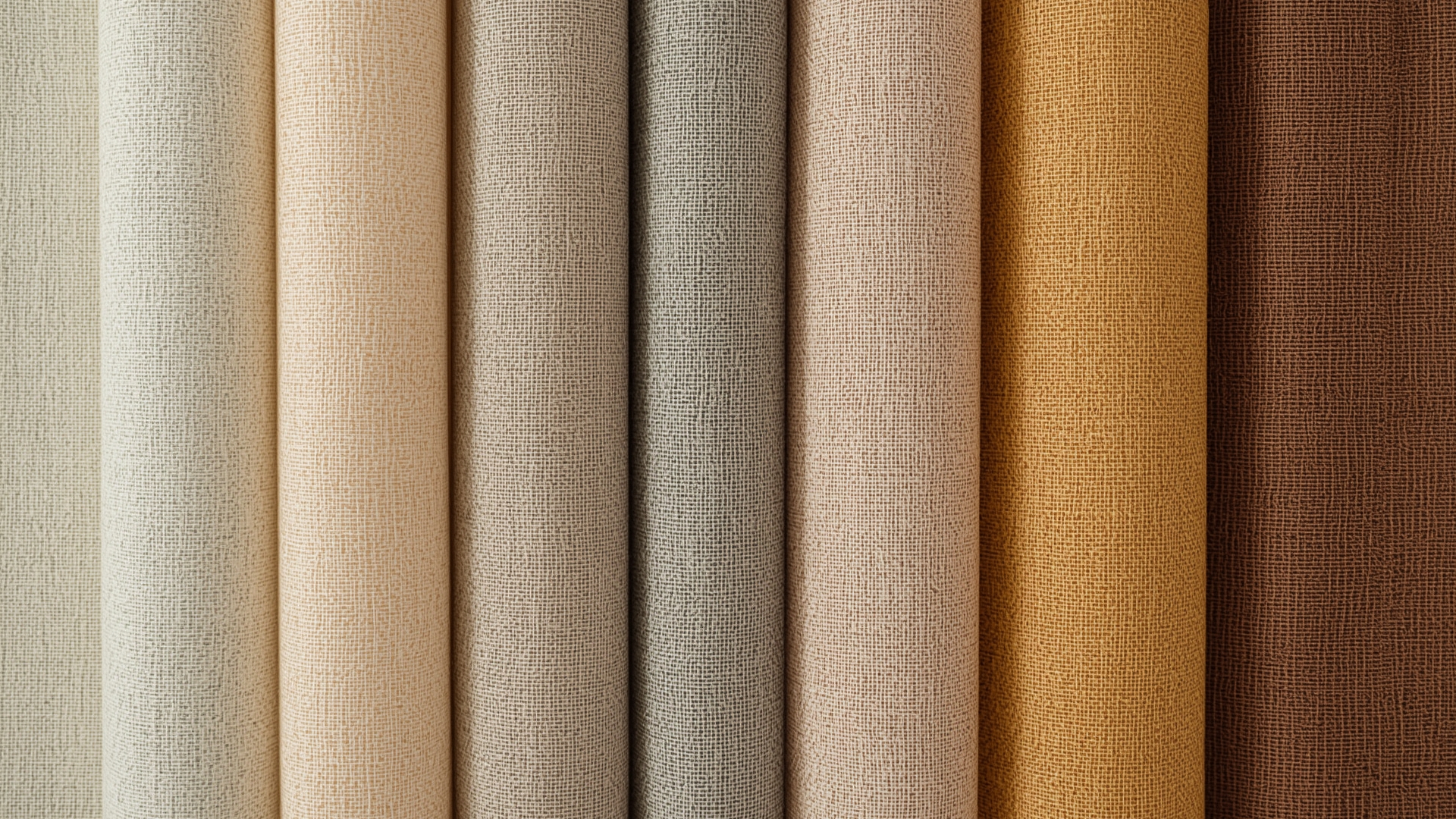
Quick Answer: Rub counts under 15,000 suit decorative or light-use applications. Residential furniture needs at least 15,000, and heavily used pieces need 25,000 or more. Commercial settings require 50,000 or higher to withstand daily, multi-person use.
Understanding the ranges is the most practical skill you can take from this guide. The industry has established clear benchmarks that tell you what each range is suitable for.
Rub Count Benchmarks by Use Category
| Rub Count Range | Use Category | Typical Application | Expected Lifespan (Normal Use) |
|---|---|---|---|
| Under 10,000 | Decorative / Light Use | Throw pillows, curtains, accent chairs used rarely | 2–4 years with light use |
| 10,000–15,000 | Light Residential | Guest bedroom chairs, formal living room seating | 4–6 years with occasional use |
| 15,000–25,000 | Residential | Standard living room sofas, dining chair seats | 5–8 years with regular daily use |
| 25,000–50,000 | Heavy Residential / Light Commercial | Family room sofas, office seating, rental furniture | 7–12 years with heavy daily use |
| 50,000–100,000 | Commercial | Hotel lobbies, waiting rooms, restaurant seating | 10–15 years in commercial environments |
| 100,000+ | Heavy Commercial | Healthcare facilities, airports, high-traffic public seating | 15+ years in demanding environments |
These ranges are industry standards, not guarantees. A fabric rated at 25,000 double rubs will last longer in a guest room than the same fabric used on the main family sofa. Usage intensity matters as much as the rating itself.
Which Rub Count Do You Need for Your Home?
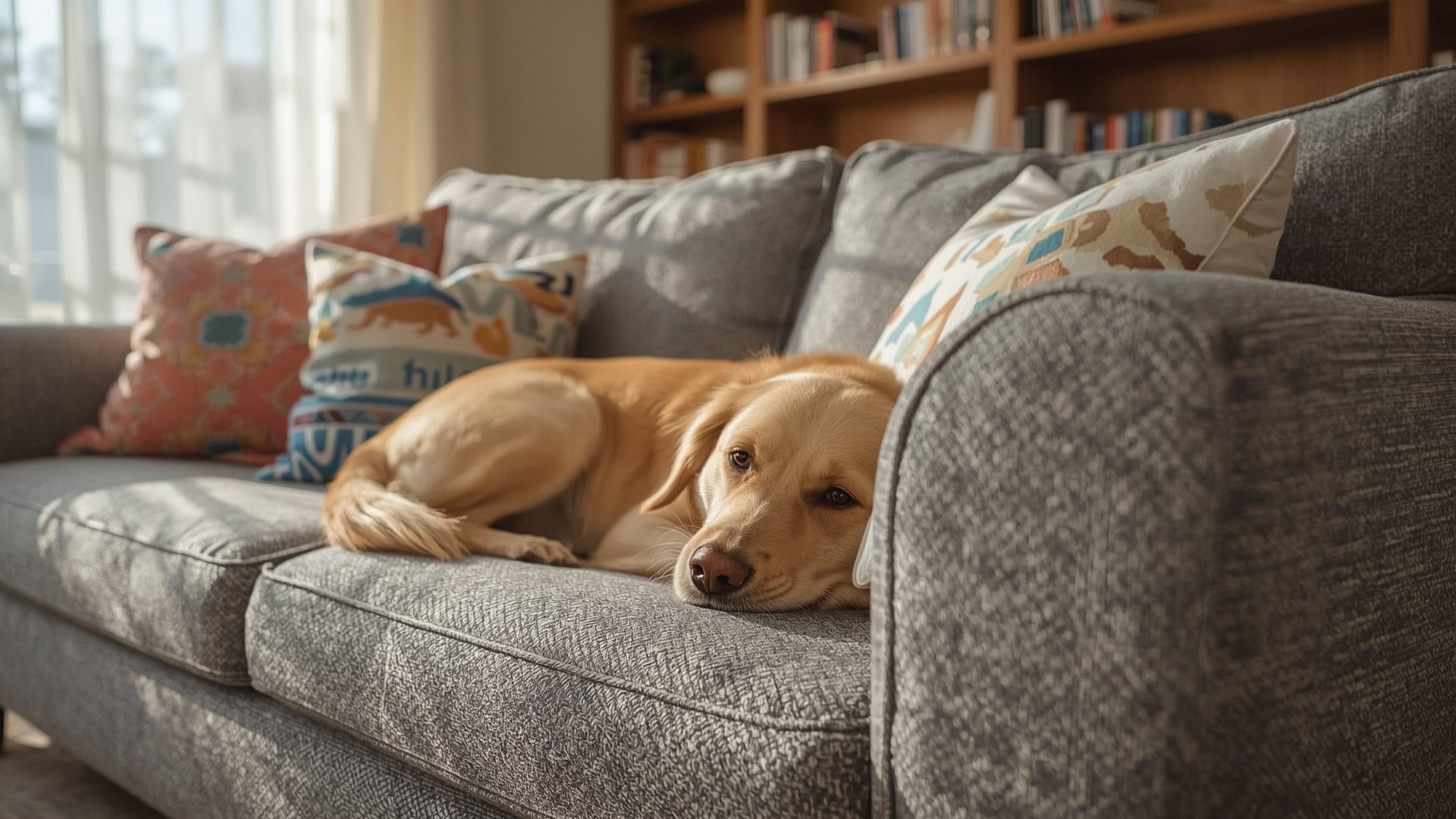
Quick Answer: For a family’s main sofa with daily use, target 25,000 or more double rubs. For occasional-use pieces like accent chairs, 15,000 is sufficient. Homes with pets or children benefit from 30,000 or higher, combined with a tightly woven or performance fabric.
Matching Rub Count to Your Specific Situation
Your main sofa gets more friction per day than almost any other piece of furniture in your home. Kids climbing, pets curling up, and multiple adults sitting and shifting daily add up fast. For this piece, treating 25,000 as your minimum is a practical rule.
Accent chairs in a formal living room or reading nook see far less traffic. A fabric in the 15,000–20,000 range performs well there without any performance compromise in normal use.
Dining chair seats are a middle case. They see regular use but short-duration contact. A range of 20,000–30,000 works well, and many designers recommend tighter weaves at those ratings because loose weaves can snag from clothing.
Rub Count Recommendations by Household Profile
| Household Profile | Recommended Minimum Rub Count | Fabric Priority |
|---|---|---|
| Single adult, no pets | 15,000 | Aesthetic flexibility, moderate durability |
| Couple, no kids or pets | 20,000 | Balanced durability and design choice |
| Family with young children | 30,000 | High rub count + stain resistance treatment |
| Home with dogs or cats | 30,000–50,000 | Tight weave, high rub count, avoid loop fabrics |
| Short-term rental / Airbnb | 50,000+ | Commercial-grade, cleanable, abrasion resistant |
| Elderly or mobility-assisted users | 30,000+ | Smooth surface, tight weave, easy to clean |
Does a Higher Rub Count Always Mean Better Fabric?
Quick Answer: No. Rub count measures abrasion resistance only. A fabric with 50,000 double rubs can still stain easily, pill, fade quickly, or feel rough to the touch. Rub count is one dimension of quality, not the whole picture.
This is one of the most common misunderstandings when reading furniture specs. Rub count tells you how well a fabric resists friction. It does not tell you about colorfastness (resistance to fading), pilling (fiber balling on the surface), moisture resistance, or softness.
A tightly woven polypropylene fabric might score 100,000 double rubs and still look inexpensive, feel scratchy, and fade in direct sunlight within a year. A quality linen blend rated at 20,000 double rubs might look beautiful for a decade in a low-traffic room where sun exposure is controlled.
Rub count works best as a filter — it helps you eliminate fabrics that are too delicate for your use case. Once you have a group of fabrics that all meet your rub count minimum, use other attributes to choose between them.
Other Fabric Attributes to Evaluate Alongside Rub Count
- Fiber content: Polyester holds color well and resists moisture. Linen offers breathability but lower abrasion resistance. Wool is naturally resilient but requires careful cleaning. Cotton is comfortable but absorbs stains easily.
- Weave tightness: Tighter weaves resist snagging and maintain appearance longer. Count yarns per inch on woven fabrics — 30+ per inch per direction indicates a tight weave.
- Pile height (for velvet or chenille): Lower pile height typically means higher abrasion resistance. Deep pile fabrics feel luxurious but wear faster.
- Backing type: Fabric backing (latex, acrylic, or none) affects how the fabric holds together under stress. Backed fabrics often perform better over time than unbacked ones.
- Colorfastness rating: Measured separately as AATCC (American Association of Textile Chemists and Colorists) lightfastness score. A rating of 4 or higher on a scale of 1–5 indicates good fade resistance.
- Moisture resistance: Some fabrics carry a water repellency rating (measured in hydrostatic pressure). Performance fabrics often combine high rub count with a hydrostatic head rating of 500mm or more.
How Do Fabric Grades Relate to Rub Count?
Quick Answer: Fabric grades (A, B, C or 1, 2, 3) are pricing tiers set by retailers and manufacturers, not official durability rankings. A Grade C fabric can have a higher rub count than a Grade A fabric. Always check the actual rub count number rather than relying on grade alone.
When a furniture retailer shows you fabric swatches labeled Grade 1 through Grade 5, those grades reflect price, not performance. Grade is primarily a cost classification based on material cost, complexity of weave, and fabric weight.
A Grade 1 fabric might be a simple polyester blend with 30,000 double rubs. A Grade 4 fabric might be a premium linen with 18,000 double rubs. The expensive fabric has more character and costs more, but it is less abrasion resistant. The right choice depends on your use case.
This distinction matters most when you are comparing upgrade options on a custom sofa or sectional. Retailers often present higher grades as simply “better.” In reality, they are different — and sometimes a mid-grade performance fabric beats a premium-grade natural fiber for the way most families actually use their furniture.
Fabric Grade vs. Rub Count: What Each Tells You
| Attribute | Fabric Grade | Rub Count |
|---|---|---|
| What it measures | Pricing tier and material cost | Abrasion resistance (durability) |
| Set by | Individual retailer or manufacturer | Independent lab test (ASTM D4157) |
| Standardized across brands? | No — each brand uses its own scale | Yes — consistent test method |
| Predicts wear life? | No direct relationship | Yes — within the context of use intensity |
| Useful for budget planning? | Yes | No — cost varies independently |
| Best used to | Compare price across options | Filter fabrics by durability need |
What Fabrics Tend to Have the Highest Rub Counts?
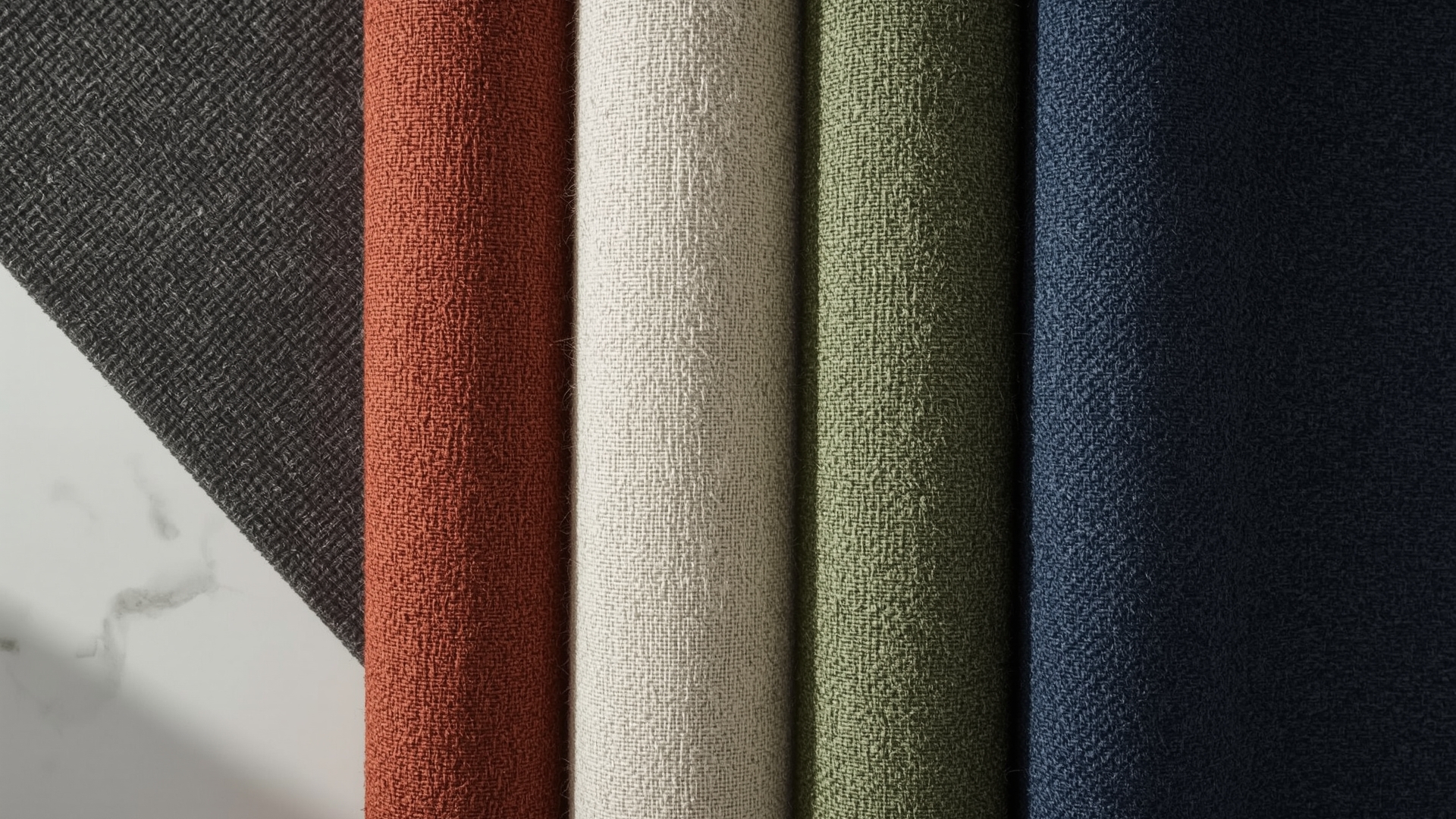
Quick Answer: Synthetic and tightly woven fabrics score highest. Microfiber polyester, solution-dyed acrylic, and olefin (polypropylene) commonly reach 50,000 to 100,000+ double rubs. Natural fibers like linen and cotton typically score between 10,000 and 25,000.
Rub Count Ranges by Fabric Type
| Fabric Type | Typical Rub Count Range | Strengths | Weaknesses |
|---|---|---|---|
| Microfiber Polyester | 30,000–100,000+ | Stain resistant, soft, easy to clean | Can pill over time, less breathable |
| Solution-Dyed Acrylic | 50,000–100,000+ | Excellent UV resistance, fade resistant | Less soft than polyester options |
| Olefin / Polypropylene | 50,000–100,000+ | Moisture resistant, colorfast, low cost | Lower heat resistance, can crush under pressure |
| Nylon Blend | 30,000–80,000 | Strong, resilient, resists abrasion well | Can fade faster than acrylic |
| Cotton Canvas / Duck | 15,000–30,000 | Breathable, affordable, holds dye well | Absorbs stains, lower abrasion rating |
| Linen Blend | 12,000–22,000 | Natural appearance, breathable, textured | Wrinkles, stains easily, lower durability |
| Wool Blend | 20,000–40,000 | Naturally resilient, holds shape well | Requires careful cleaning, higher cost |
| Velvet (Polyester) | 15,000–30,000 | Rich appearance, soft feel | Crushes with friction, shows wear patterns |
| Chenille | 10,000–20,000 | Soft, cozy texture | Snags easily, shows wear faster |
How Do You Find Rub Count Information When Shopping?
Quick Answer: Check the fabric spec sheet, product detail page, or ask the sales associate directly. Reputable manufacturers list rub count in their fabric specifications. If a seller cannot provide the rub count, treat that as a red flag for transparency.
Most quality furniture retailers include rub count data in their fabric specs. Online, look for a “fabric details,” “specifications,” or “performance data” tab on the product page. In-store, ask for the fabric spec sheet. A knowledgeable sales associate should be able to pull this information within a minute.
If rub count is not listed anywhere, ask directly: “What is the double rub count on this fabric?” If the answer is vague or the associate does not know, that is useful information. Manufacturers who invest in quality fabrics know their rub counts and publish them.
Some retailers use phrases like “contract grade” or “heavy-duty” without providing the actual number. Press for the specific figure. “Contract grade” typically means 50,000+ double rubs, but not all retailers use that term consistently.
What to Ask When Comparing Two Fabric Options
- What is the double rub count, and which test standard was used (Wyzenbeek or Martindale)?
- What is the fiber content and weave structure?
- Does the fabric have a stain resistance treatment, and if so, is it applied to the surface or built into the fiber?
- What is the colorfastness rating, and is this fabric suitable for rooms with direct sunlight?
- Is there a fabric backing, and what type?
- Is this fabric certified by any third-party standards (OEKO-TEX, Greenguard, or similar)?
Can You Trust Rub Count Claims Made by Furniture Retailers?
Quick Answer: Rub count is testable and regulated under ASTM standard D4157, so legitimate claims are verifiable. Look for brands that cite the specific test standard used. Vague claims without a standard name attached are harder to verify and should be questioned.
The Wyzenbeek test follows ASTM International standard D4157. The Martindale test follows ISO 12947. When a fabric’s rub count is tied to one of these standards, it means the test was conducted under a controlled, documented protocol.
Some budget-oriented retailers make informal durability claims that are not based on standardized testing. Phrases like “tested to withstand heavy use” without a specific number or standard are marketing language, not technical specs.
Reputable fabric mills — companies like Crypton, Sunbrella, Schumacher, and Perennials — publish detailed spec sheets and back their rub counts with documented testing. When you are spending a significant amount on upholstery, requesting documented specs is reasonable and expected in professional settings.
How Does Rub Count Interact with Fabric Maintenance?
Quick Answer: Rub count reflects the fabric’s potential durability under ideal conditions. Improper cleaning, harsh chemicals, and sun exposure all degrade fabric faster than abrasion alone. Proper maintenance extends fabric life regardless of rub count rating.
A fabric rated at 50,000 double rubs will not reach its potential if you clean it with bleach-based products that break down fibers, or if it sits in direct afternoon sunlight for hours each day. The rub count tells you the abrasion ceiling — not the final outcome.
Vacuum upholstery weekly to remove surface debris that acts as an abrasive. Rotate cushions every one to two months so wear distributes evenly. Spot clean spills immediately to prevent staining that leads to aggressive scrubbing later.
Fabric protector sprays (like fluorocarbon-based treatments) add a thin protective layer that reduces surface friction slightly and repels moisture. They do not dramatically change the rub count, but they do reduce the frequency of aggressive cleaning cycles that wear fabric faster over time.
Frequently Asked Questions
Is 15,000 double rubs enough for a family sofa?
For a main family sofa with daily use, 15,000 double rubs is considered the absolute minimum — and only if use is relatively light. Families with children, pets, or frequent guests should look for at least 25,000 to 30,000 double rubs to ensure the fabric holds up over several years.
Are Martindale cycles the same as Wyzenbeek double rubs?
No. Martindale cycles and Wyzenbeek double rubs use different machines, different abrasive materials, and different motion patterns. They measure similar properties but produce different numbers. A spec sheet that lists both will usually note this distinction. You cannot convert one to the other with a single formula.
What does “contract grade” fabric mean?
Contract grade refers to fabric rated for commercial use — typically 50,000 or more double rubs. The term “contract” comes from commercial furniture contracts for hotels, offices, and healthcare facilities. Contract-grade fabric is a reliable durability signal, but always confirm the actual rub count number with the retailer.
Do performance fabrics have higher rub counts than regular upholstery?
Usually yes. Performance fabrics are engineered specifically for durability and easy cleaning. Brands like Crypton, Sunbrella, and Revolution combine rub counts of 50,000 to 100,000+ with moisture barriers and stain resistance built into the fiber. They outperform most standard upholstery fabrics on both rub count and ease of care.
Does washing or steam cleaning fabric affect its rub count over time?
Yes, repeated wet cleaning can degrade fibers and reduce the effective abrasion resistance of a fabric over time. The rub count is tested on new, untreated fabric samples. Harsh cleaning agents, high heat, and aggressive scrubbing all wear down fibers faster than the test conditions account for.
What is the ASTM D4157 standard?
ASTM D4157 is the American Society for Testing and Materials standard that governs the Wyzenbeek abrasion test for upholstery fabrics. It defines the test conditions, equipment specifications, and failure criteria used to produce double rub counts. When a fabric spec cites ASTM D4157, it means the rub count came from a standardized, controlled test.
